

Key Takeaways
- Prepare with Essential Tools: Assemble a basic decorating kit, including a turntable, piping bags, offset spatulas, and fondant tools, to enhance precision and creativity.
- Practice Foundational Skills: Focus on mastering smooth icing, piping techniques, and fondant application to build confidence and ensure professional-quality designs.
- Plan and Stick to a Theme: Develop a clear theme and sketch your design to align with contest guidelines and create a cohesive, memorable cake.
- Manage Your Time Efficiently: Prepare materials in advance, create a timeline, and prioritize tasks to stay on schedule during contests.
- Avoid Common Mistakes: Keep designs simple and well-executed, and always adhere to contest rules to avoid disqualification or unnecessary stress.
- Embrace the Experience: Participating in contests is a learning opportunity to build skills, network with others, and grow as a cake decorator.
Entering a cake decorating contest for the first time can feel both exciting and a little nerve-wracking. I remember my first competition—I had no idea where to start, but I knew I wanted my cake to stand out. It’s not just about baking a delicious treat; it’s about turning it into a show-stopping masterpiece that tells a story.
Understanding Cake Decorating Contests
Cake decorating contests bring together creativity, skill, and passion. They challenge participants to design cakes that are both visually stunning and technically impressive.
What Are Cake Decorating Contests?
Cake decorating contests are competitive events where decorators showcase their ability to create exceptional cakes. These contests often have specific themes, design criteria, or time limits to test participants’ ingenuity. Judges typically evaluate cakes based on creativity, execution, originality, and adherence to the theme. For example, a contest may require a nature-themed cake with intricate edible details like flowers or animals.
Why Join As A Beginner?
Entering as a beginner builds confidence and expands skills. Contests offer exposure to others’ work, providing fresh ideas and inspiration. Networking with other participants, judges, and spectators creates learning opportunities. The experience also helps identify personal strengths and growth areas. For instance, competing might reveal a talent for sculpting fondant or piping intricate patterns.
Essential Tools For Cake Decorating
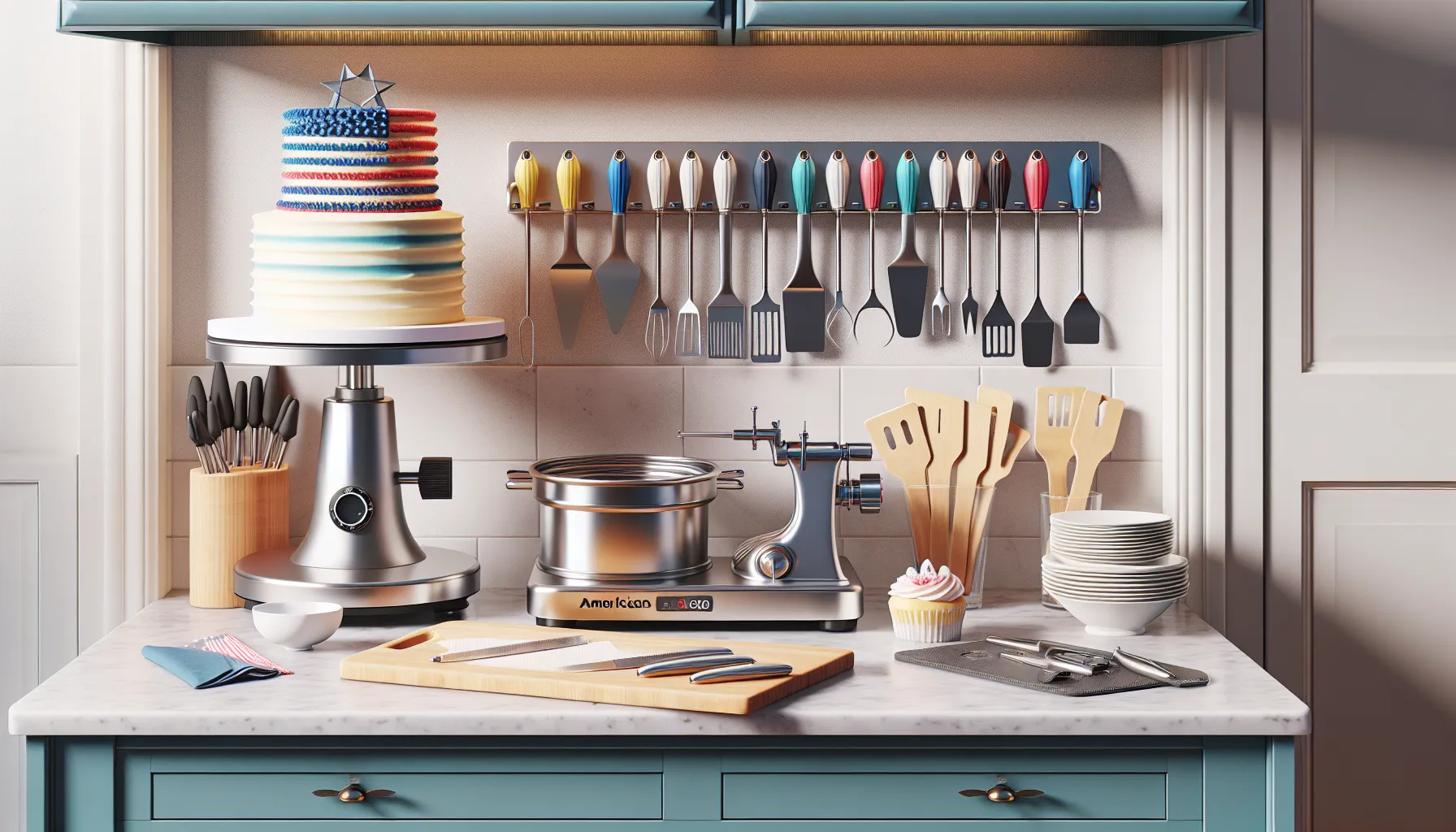
Having the right tools makes cake decorating more enjoyable and efficient. For beginners, assembling a basic kit of essential tools is a great first step.
Must-Have Equipment
- Turntable
A turntable simplifies decorating by allowing smooth cake rotation. It helps with tasks like icing and piping evenly. Choose a sturdy one with a non-slip base.
- Piping Bags and Tips
Piping bags, along with a set of tips, are indispensable for creating designs. Basic tips like round, star, and petal work well for most beginner-level decorations.
- Offset Spatulas
Offset spatulas ensure precision while spreading icing. Use a small one for detailed areas and a larger one for smoothing surfaces.
- Bench Scraper
This tool ensures sharp edges and smooth sides for layered cakes. A stainless steel scraper is durable and easy to clean.
- Cake Leveler
A leveler trims cake tops for even layers, which improves stability and aesthetics.
Useful Accessories For Beginners
- Fondant Tools
Basic items like rolling pins, cutters, and embossers are great for handling fondant decorations. These tools expand design possibilities, even for beginners.
- Food Coloring Gel
Gel coloring produces vibrant hues for icings and fondants without altering consistency. Stick to a starter pack with primary colors.
- Decorating Comb
A comb adds texture to icing. It’s perfect for creating striped or ridged patterns on cakes.
- Flower Nails
Flower nails simplify creating buttercream flowers. They’re a helpful addition for floral-themed designs.
- Cake Boards and Boxes
Boards provide a sturdy base for decoration, while boxes ensure safe transportation to contests.
Using these tools builds confidence while improving decorations over time. They also make practice feel organized and efficient.
Developing Basic Decorating Skills

Building foundational decorating skills is key for beginners in cake contests. Consistent practice enhances confidence and technique, leading to better designs.
Practicing Piping Techniques
I start with basic piping techniques using buttercream and a set of different piping tips. Creating stars, rosettes, and shells on parchment paper prepares me for actual cake designs. Practicing even pressure when squeezing the piping bag helps me achieve consistent patterns. I experiment with tip sizes to understand their effects, switching between round, star, and petal tips for variation. Repeating these exercises regularly improves control and precision.
Mastering Smooth Icing And Fondant
Achieving smooth icing requires a steady hand and the right tools. I use an offset spatula to spread buttercream evenly, followed by a bench scraper to create sharp edges. Practicing on cake dummies makes this process stress-free. For fondant, I knead it until soft, then roll it out evenly. After draping it over the cake, I use a fondant smoother to remove air bubbles and creases. Learning these techniques ensures my cakes have a polished, professional look suitable for contests.
Planning Your Cake Design

A strong design plan is essential for success in any cake decorating contest. Preparing your design ensures your creativity aligns with the competition’s criteria while keeping you organized.
Creating A Theme
Choosing a theme helps create a cohesive design. I start by reviewing contest guidelines to ensure my theme fits within the requirements, such as specific genres or celebratory occasions. Afterward, I brainstorm ideas that resonate with the event or personal inspirations. For example, a fairytale-inspired wedding cake theme could include cascading sugar flowers and whimsical elements. A well-defined theme keeps my ideas focused and makes my cake more memorable to judges.
Sketching Your Vision
Sketching translates ideas into a tangible plan. I draw a rough outline of my cake, showing tiers, decorations, and color schemes. By visualizing the design, I can experiment with various elements like piping patterns, fondant accents, or hand-painted details. If I’m unsure how certain features will work, I adjust the sketch as needed. Once finalized, the sketch serves as a guide during decorating, ensuring every detail reflects my original vision.
Time Management Tips For Contests
Efficient time management is vital in cake decorating contests to meet deadlines without compromising on quality. Planning ahead and staying focused ensures a smoother experience and better results.
Preparing Ahead Of Time
Organizing tasks in advance saves time and reduces stress on contest day. I create a detailed plan outlining each step, from baking to decorating, with estimated times for completion. Before the competition, I pre-measure and prepare ingredients, clean and organize tools, and ensure all materials are easily accessible. Practicing key techniques, like piping or fondant smoothing, on sample pieces helps refine skills and avoid surprises. Packing essentials, such as extra piping bags, frosting, and cake boards, ensures I’m ready for last-minute adjustments.
Staying On Schedule During The Contest
Following a clear timeline keeps me on track during contests. I prioritize tasks by starting with more time-intensive elements, like intricate decorations, to avoid rushing near the end. Setting mini-deadlines for each stage allows me to monitor progress and make quick adjustments if needed. Staying calm under pressure is crucial—deep breaths and short mental breaks help maintain focus. I also watch the clock and keep backup ideas ready if unforeseen challenges arise, ensuring my cake is completed on time.
Common Beginner Mistakes To Avoid
Avoiding common mistakes increases your chances of creating a successful cake and reduces stress during the competition. Many beginners, myself included, tend to overlook simple yet crucial aspects when preparing for their first contest.
Overcomplicating Your Design
Simple designs executed well often leave a stronger impression than overly ambitious ones. I made the mistake of trying to incorporate too many elements in my first contest, which led to a cluttered and overwhelming finish. Stick to a cohesive theme, limit techniques to those you’ve mastered, and focus on precision. For example, instead of including intricate fondant sculptures and elaborate piping on one cake, choose one standout feature to highlight, like delicately piped flowers or smooth ombré frosting. Balance aesthetics with functionality to ensure the design is manageable within the given timeframe.
Neglecting Rule Guidelines
Ignoring contest guidelines risks disqualification regardless of the quality of your cake. In my first competition, I overlooked size restrictions, forcing me to redo my entry. Carefully review rules on dimensions, themes, and allowed materials before planning your design. For instance, if edible decorations are mandatory, avoid using inedible supports like wires showing on the final display. Keep a checklist to confirm every aspect of your cake complies with the guidelines, ensuring a seamless judging process and avoiding preventable penalties.
Conclusion
Entering a cake decorating contest for the first time is such an exciting journey. It’s a chance to challenge yourself, unleash your creativity, and learn so much along the way. While it might feel overwhelming at first, every bit of effort you put in will help you grow as a decorator.
Remember to enjoy the process, celebrate your progress, and don’t stress about perfection. Every competition is an opportunity to improve your skills and connect with others who share your passion. So take a deep breath, trust your abilities, and have fun creating something amazing!
Frequently Asked Questions
What are cake decorating contests all about?
Cake decorating contests challenge participants to create visually stunning and technically sound cakes based on specific themes. Judges evaluate cakes on creativity, execution, originality, and adherence to contest guidelines.
Why should beginners enter cake decorating contests?
Participating in cake decorating contests helps beginners boost confidence, improve skills, and gain exposure to diverse ideas and techniques. It’s also a great way to network with other decorators and challenge yourself creatively.
What tools are essential for cake decorating?
Essential tools include a turntable, piping bags and tips, offset spatulas, and a bench scraper. Additional tools like fondant accessories, food coloring gels, decorating combs, and cake boards enhance the experience for decorators.
How can beginners improve their cake decorating skills?
Beginners should practice basic techniques, such as piping patterns on parchment paper and mastering smooth icing or fondant application. Consistent practice builds confidence and helps develop professional-level designs.
Why is planning your cake design important for contests?
Planning ensures your design aligns with contest criteria and avoids confusion. Sketching ideas and finalizing a design helps maintain focus and ensures each detail reflects the original vision during the competition.
How can time management improve performance in cake contests?
Proper time management prevents last-minute stress. Prepare by organizing tasks, pre-measuring ingredients, and practicing techniques beforehand. A clear timeline during the contest ensures tasks are completed efficiently.
What are common beginner mistakes in cake decorating contests?
Beginners often overcomplicate designs or neglect contest guidelines. Simple, well-executed cakes leave a stronger impression. Always adhere to the rules and use a checklist to avoid disqualification risks.
How do you stay calm during a cake decorating contest?
Stay calm by remaining organized, following your timeline, and being flexible with changes. Practice beforehand to build confidence and focus on creating your best work without over-stressing.
What is the importance of contest guidelines?
Contest guidelines outline requirements judges follow during evaluations. Ignoring these rules can lead to disqualification, so review them thoroughly and ensure your final design checks all boxes.
What’s the best way to start preparing for a cake contest?
Start by refining foundational skills, gathering essential tools, choosing a theme, and sketching your design. Practice techniques in advance and create a timeline to stay organized throughout the competition.