

Key Takeaways
- Understand the rules and guidelines of the cake competition thoroughly to avoid disqualification and align your creation with the requirements.
- Research the judges’ preferences and tailor your cake’s design and flavors to impress them.
- Choose a unique theme and balance creativity with practicality to ensure your cake is both innovative and feasible within the competition’s constraints.
- Master fundamental baking and decorating techniques while experimenting with advanced skills to elevate your cake’s quality and uniqueness.
- Focus on an eye-catching design, utilizing color, texture, and clean finishes to create a lasting impression.
- Ensure safe transportation and flawless presentation of your cake to highlight its features and maximize its impact on the judges.
Winning a cake competition might seem like a daunting challenge, but it’s also one of the most exciting ways to showcase your baking skills. I’ve always believed that a great cake isn’t just about how it tastes—it’s about the story it tells, the creativity behind it, and the love baked into every layer. Whether you’re a seasoned baker or just starting out, there’s always room to learn and improve.
When I first entered a cake competition, I quickly realized it wasn’t just about whipping up a delicious recipe. Presentation, originality, and even the tiniest details can make or break your chances. But don’t worry—it’s not as overwhelming as it sounds. With the right tips and a sprinkle of confidence, you’ll be ready to impress the judges and maybe even take home that coveted prize! Let’s dive into what it takes to create a winning cake.
Understanding The Basics Of A Cake Competition
Cake competitions combine creativity, skill, and strategizing. Knowing how to prepare sets the foundation for success.
Researching The Competition Rules
Understanding the rules ensures compliance and avoids disqualification. Every competition outlines guidelines, from cake dimensions to permitted ingredients. For example, some rules mandate a specific theme, while others restrict edible decorations. I always check if there are time limits for setup or requirements like flavor profile submissions. Reading these details twice eliminates guesswork and prevents surprises.
Knowing Your Audience And Judges
Tailoring the cake to suit the judges’ preferences can greatly impact scores. Judges often prioritize certain elements, such as innovative designs or flawless finishes. If I know the judges’ backgrounds or tastes, I align my choices accordingly. For instance, judges with bakery experience might focus on flavors, while art enthusiasts might value intricate designs. Balancing creativity with expectations enhances the cake’s appeal.
Developing A Winning Cake Concept
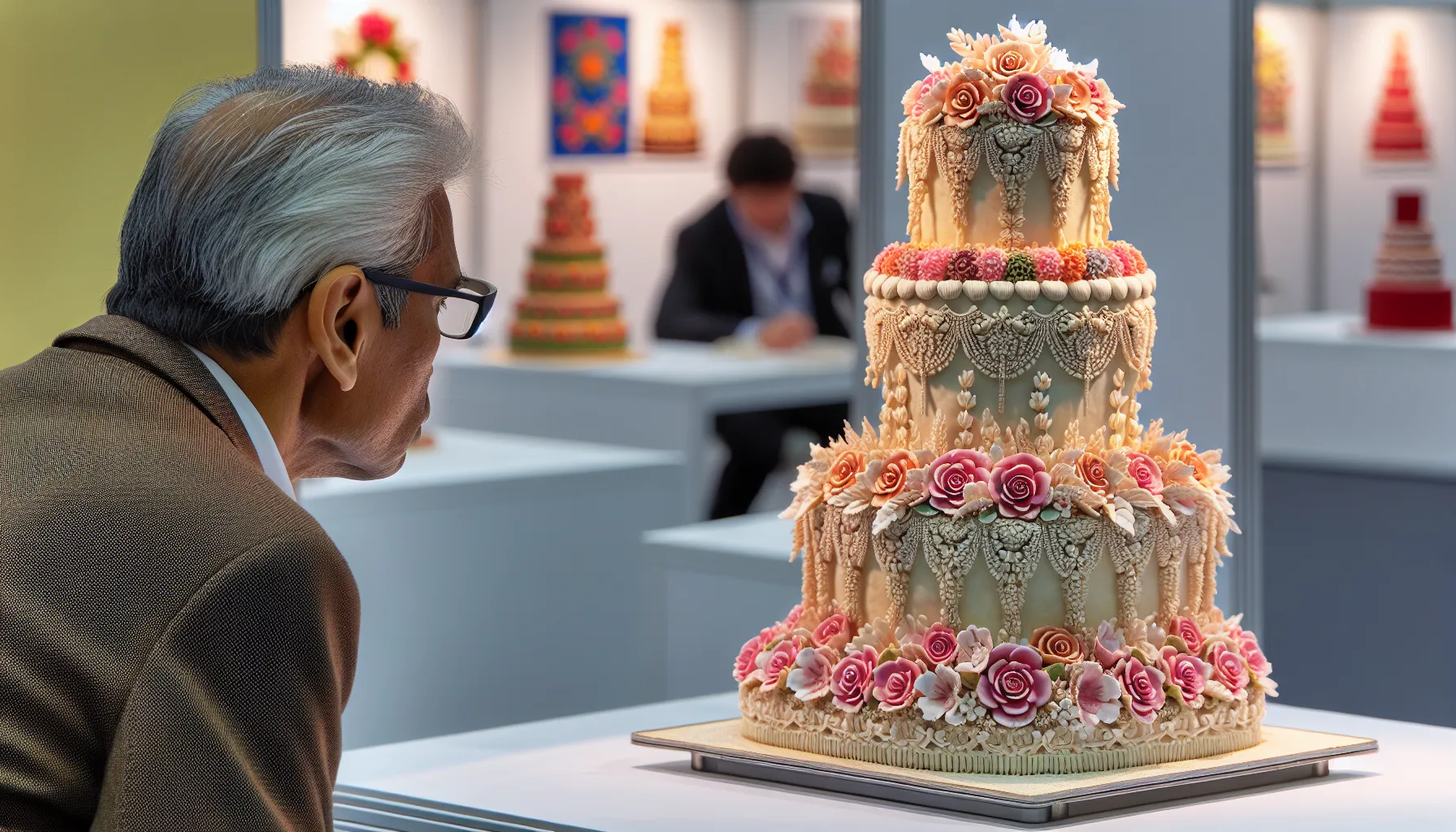
Creating a winning cake requires combining a clear theme with innovative design. I prioritize originality and practicality to ensure my cake stands out while meeting competition standards.
Choosing A Unique Theme
I focus on a theme that reflects my personal style and aligns with the competition’s guidelines. Selecting a unique theme, like “Vintage Carnival” or “Underwater Wonders,” ensures my cake is memorable. I also research trends to avoid overdone concepts. Inspiration often comes from personal experiences, nature, or current events, which helps make my design compelling.
Balancing Creativity And Practicality
While creativity sets a cake apart, I plan with feasibility in mind. I evaluate the time, tools, and ingredients available before finalizing my design. For instance, if I’m using intricate sugar flowers, I ensure they’re manageable within the competition timeframe. I balance bold designs, like gravity-defying tiers, with practical supports to maintain structure. This combination boosts visual appeal without risking technical issues.
Perfecting Your Baking Skills
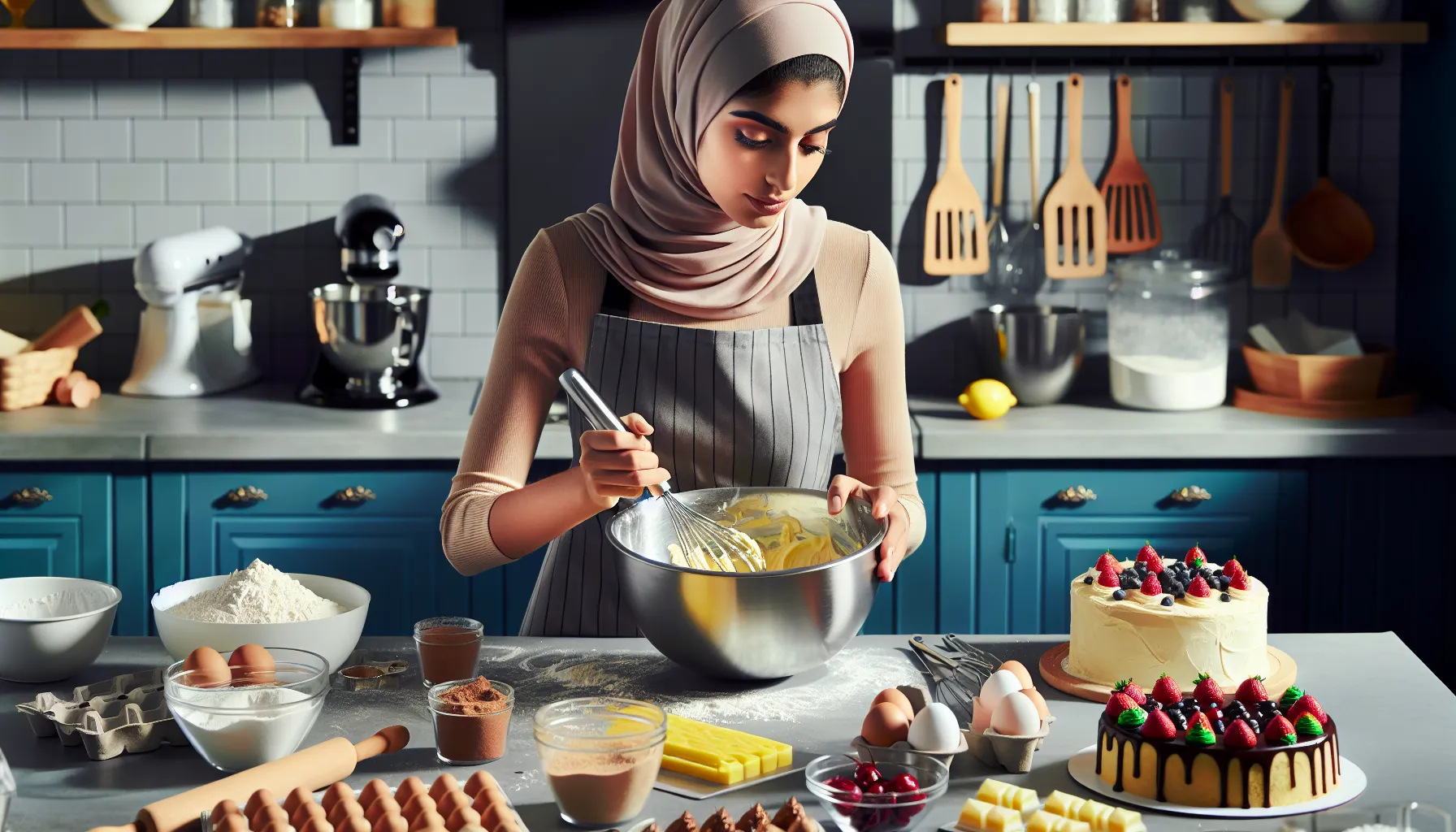
Perfecting baking skills is essential for crafting a competition-worthy cake. Consistency, precision, and creativity all play significant roles in leaving a lasting impression on the judges.
Mastering Basic Techniques
I focus on perfecting foundational techniques like creaming butter and sugar, folding batter, and achieving even layers. These steps ensure my cakes bake uniformly and have the ideal texture. For example, properly creamed butter and sugar create a light, airy structure, while overmixing can result in dense, tough cakes. I use an oven thermometer to guarantee accurate baking temperatures, as inconsistent heat can ruin any recipe. Practicing piping techniques for borders, flowers, and writing in simple patterns helps establish steady hands and confidence.
Experimenting With Advanced Techniques
Once the basics are polished, I explore advanced methods like sugar work or sculpting with fondant. Techniques like creating sugar flowers, using airbrushing for realistic effects, or crafting gravity-defying structures make designs stand out. For instance, hand-painting or marbling fondant adds depth and individuality to any theme. I also test complex recipes, such as layered entremets or cakes with intricate flavor combinations, ensuring they’re both visually striking and delicious. Regular practice and testing help me identify which advanced elements work best in competitions.
Designing A Show-Stopping Cake
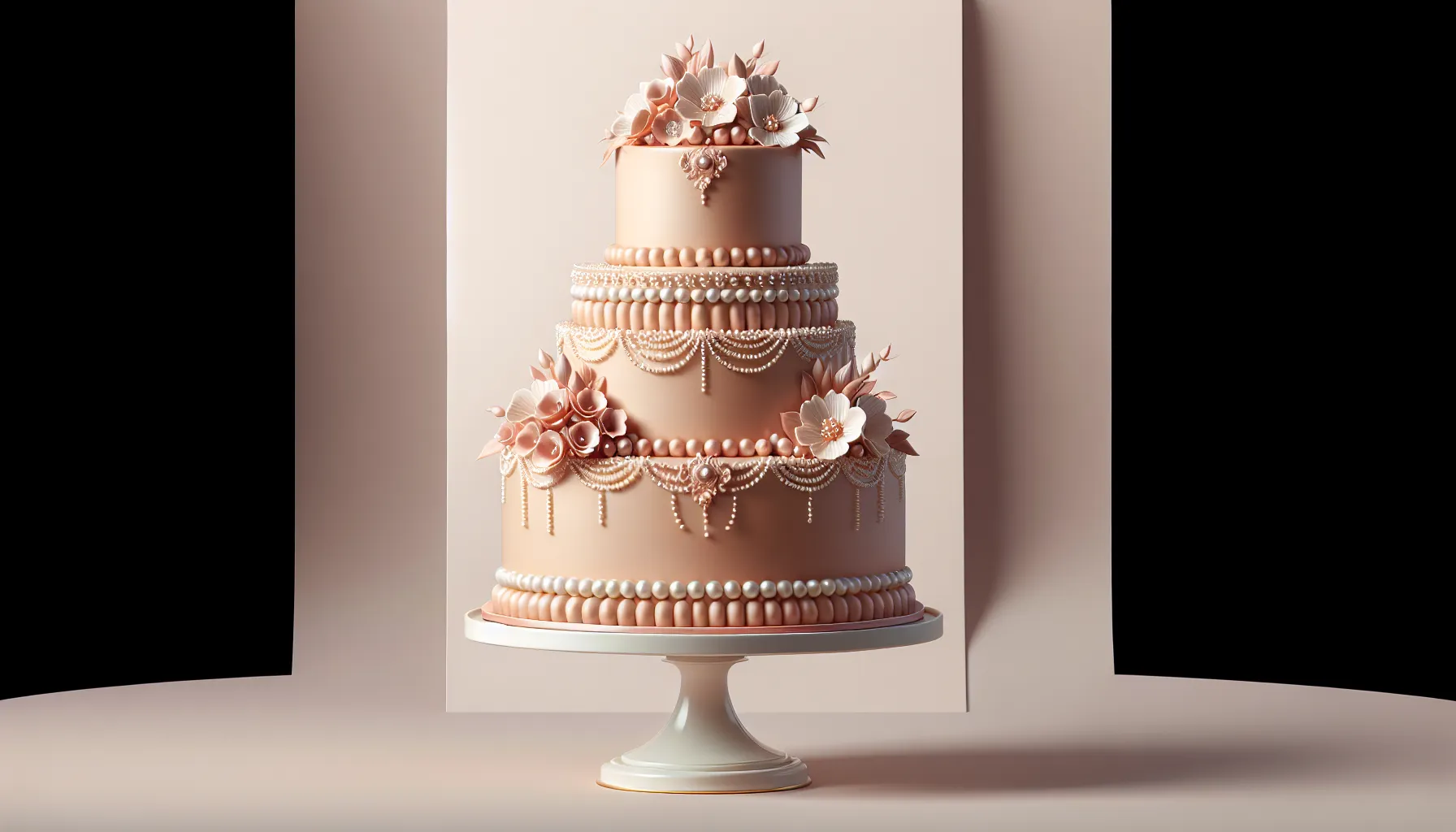
A cake’s design often sets the first impression in a competition. An eye-catching, well-thought-out design can captivate judges and leave a lasting impact.
Decorating Tips And Tricks
I focus on clean, precise finishes to create a professional look. Sharp edges on fondant-covered cakes and evenly smoothed buttercream layers showcase attention to detail. Using tools like an offset spatula or bench scraper helps achieve these finishes efficiently.
For added dimension, I incorporate decorations like edible pearls, gum paste flowers, or intricate piping. These elements should align with the cake’s theme to enhance visual harmony. When constructing multi-tiered cakes, I ensure secure stacking with dowels or supports to maintain structural integrity.
Using Color And Texture Creatively
Strategic use of color grabs attention and adds depth to designs. I select a harmonious palette that complements the theme, such as pastels for vintage-inspired creations or rich jewel tones for luxurious aesthetics. Airbrushing gradients or hand-painting details can introduce unique visual effects.
Texture adds another layer of interest. I experiment with techniques like ruffled fondant, textured buttercream, or edible lace to create variety. Combining smooth, rough, and patterned surfaces adds contrast and prevents the design from appearing flat. Every choice contributes to a memorable display.
Presentation And Delivery Tips
A cake’s presentation can seal its impact on the judges, and a flawless delivery ensures your hard work truly shines. Paying attention to both aspects is key to competition success.
Transporting Your Cake Safely
I take extra steps to protect my cake during transport, as arriving intact is crucial. I use a sturdy cake board and make sure it’s slightly larger than the base. For multi-tiered cakes, I add dowels or internal supports to enhance stability. Placing the cake in a box with a non-slip mat beneath prevents shifting during the drive.
Driving cautiously on smooth roads helps minimize vibrations. I keep cakes cool by transporting them in an air-conditioned vehicle, especially for buttercream or fondant designs, as high temperatures can lead to melting. If the competition’s venue is far, I assemble larger elements, like tiers, on-site after careful planning.
Presenting Your Cake To Impress
Judges’ first impressions hinge on how cakes are presented. I wipe away smudges and fingerprints from the cake board or display stand for spotless presentation. Cakes look more polished when I align decorations symmetrically and balance proportions.
Strategically placing my cake under decent lighting highlights design details, including texture and colors. I also ensure the display complements the theme by choosing stands, backdrops, or accents that echo its style. Adding a brief written explanation of the cake’s concept or inspiration gives judges added context.
Learning From Past Competitors
Observing previous winners offers valuable insights into creating standout cakes. I always take time to study what worked for others and where they succeeded.
Analyzing Winning Cakes
Winning cakes often share common traits that can guide my approach. I focus on their execution, noting details like flawless finishes, cohesive themes, and creative presentation techniques. For example, many champion cakes achieve a balance between bold concepts and immaculate precision, showcasing both technical skill and innovative design. Watching competition recaps or browsing past winners online helps me identify these elements. I also pay attention to the judges’ feedback, which often reveals what elevated a cake above the rest, such as unique flavor combinations or complex decorative work.
Avoiding Common Mistakes
Just as learning from successes is critical, spotting frequent mistakes is equally important. I notice that rushed finishes, overused designs, and structurally unsound cakes often lead to lower scores. For instance, cakes with uneven tiers or clashing colors can distract from their overall appeal. By studying examples of such pitfalls, I remain vigilant in my own creations, ensuring clean execution and well-thought-out themes. Additionally, I learn from competitors who overlooked rules or failed to deliver cakes that matched the judges’ expectations. Whether it’s double-checking guidelines or refining my techniques, avoiding these errors strengthens my chances of standing out.
Conclusion
Winning a cake competition is no small feat, but it’s an incredibly rewarding experience. It’s not just about the cake itself—it’s about the creativity, effort, and heart you put into it. Every detail, from the concept to the final presentation, tells a story and showcases your unique talent.
Remember, competitions are as much about learning as they are about winning. Each challenge you face will sharpen your skills and inspire new ideas. Trust your abilities, embrace the process, and enjoy every moment of sharing your passion with others. You’ve got this!
Frequently Asked Questions
What are the key factors judges look for in a cake competition?
Judges typically evaluate cakes based on taste, creativity, presentation, and technical execution. A strong concept, clean finishes, and attention to detail are also essential to stand out.
How can I choose a winning theme for my cake design?
Select a theme that reflects your personal style and is unique yet practical. Research trends and avoid overused ideas while ensuring the theme aligns with competition guidelines.
How do I perfect my baking skills for competitions?
Master the basics, such as consistent layering, precise measurements, and even baking. Gradually explore advanced techniques like fondant sculpting and sugar work through regular practice.
What are some tips for achieving a flawless cake presentation?
Use tools like offset spatulas for clean finishes, complement the display with thematic elements, and ensure decorations are symmetrical. Wipe away smudges and highlight features with proper lighting.
How can I safely transport my competition cake?
Use sturdy cake boards, secure internal supports for tiered cakes, and keep them cool during transit. A carefully packed and stable setup ensures safe delivery.
How do I prepare for a cake competition as a beginner?
Start by reading and understanding the competition rules. Practice baking and decorating techniques, research themes, and observe past winning cakes for inspiration and guidance.
What are common mistakes to avoid in cake competitions?
Avoid rushed decorations, structural instability, and overcomplicated designs that are impractical. Always double-check your work and ensure finishes are clean and polished.
Why is storytelling important in cake design?
Storytelling connects your theme and design, making your cake memorable. A compelling story adds depth and context, helping judges appreciate your creativity.
Can learning from past winners improve my chances of winning?
Yes, studying past winners gives insight into what works well, such as cohesive themes and flawless execution. Analyzing feedback from judges can also help refine your approach.
How important is the cake’s taste in a competition?
Taste is critical in judging but is often considered alongside creativity and presentation. A delicious cake with a weak design will struggle to outperform a well-rounded entry.