
Key Takeaways
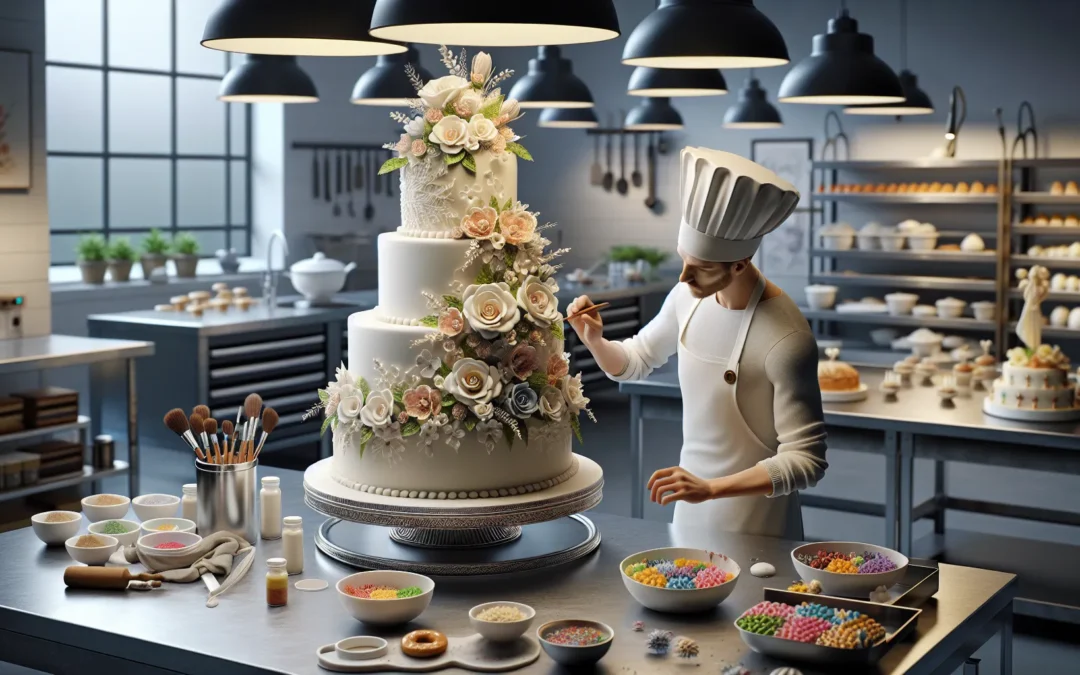
- Planning and Preparation: Creating a show cake involves meticulous planning, including selecting a design that aligns with the event theme and gathering the necessary tools and high-quality ingredients.
- Structural Integrity: Ensuring the cake’s stability is crucial, especially for multi-tiered designs. Use dowels, cake boards, and proper assembly techniques for support.
- Flavors and Aesthetics: Balancing complementary flavor profiles and choosing a harmonious color palette enhances both the cake’s taste and visual appeal.
- Decorative Techniques: Mastering techniques like fondant sculpting, piping, and edible decoration application is key to elevating your cake’s presentation.
- Baking and Assembly: Precise execution during the baking process, such as measuring accurately and following proper mixing and baking techniques, ensures a strong foundation for decorating.
- Presentation and Transport: Focus on safe cake transportation, appropriate display setup, and lighting to leave a lasting impression at the show.
There’s something so thrilling about preparing a cake for a show. It’s not just about baking; it’s about creating a masterpiece that wows everyone who sees it. I love the challenge of combining creativity, precision, and a touch of flair to make something truly unforgettable. It’s like turning a simple dessert into a work of art.
But let’s be honest—it’s not as simple as whipping up a cake for a casual get-together. A show cake demands careful planning, attention to detail, and a whole lot of patience. From choosing the right flavors to nailing that perfect design, every step matters. If you’ve ever wondered how to make your cake stand out and steal the spotlight, don’t worry—I’ve got you covered.
Understanding The Basics Of Show Cakes
Creating a show cake requires mastering techniques and understanding artistic design. These cakes are not only desserts but also visual masterpieces. Every aspect, from structure to finish, contributes to its appeal.
- Structural Stability
Ensuring stability is essential for multi-tiered cakes. Each tier needs proper support, such as dowels or cake boards, to prevent collapsing during transport or display.
- Flavor Profiles
Combining flavors that complement each other, like vanilla with raspberry or chocolate with caramel, ensures a memorable taste while maintaining the cake’s visual allure.
- Decorative Techniques
Techniques like fondant sculpting, royal icing piping, or gum paste flower crafting can elevate the design. Adding intricate details enhances the cake’s overall aesthetic.
- Color Palette
Choosing a harmonious color scheme that matches the theme or event makes the cake visually cohesive. Using edible pigments or airbrushing tools helps achieve precise shades.
- Theme Alignment
Designing a cake that follows a specific theme, such as weddings, birthdays, or holidays, creates a strong visual connection with the event. Incorporating personal elements like monograms or meaningful symbols adds uniqueness.
Focusing on these fundamentals lays the foundation for crafting exceptional show cakes.
Choosing The Right Cake Design
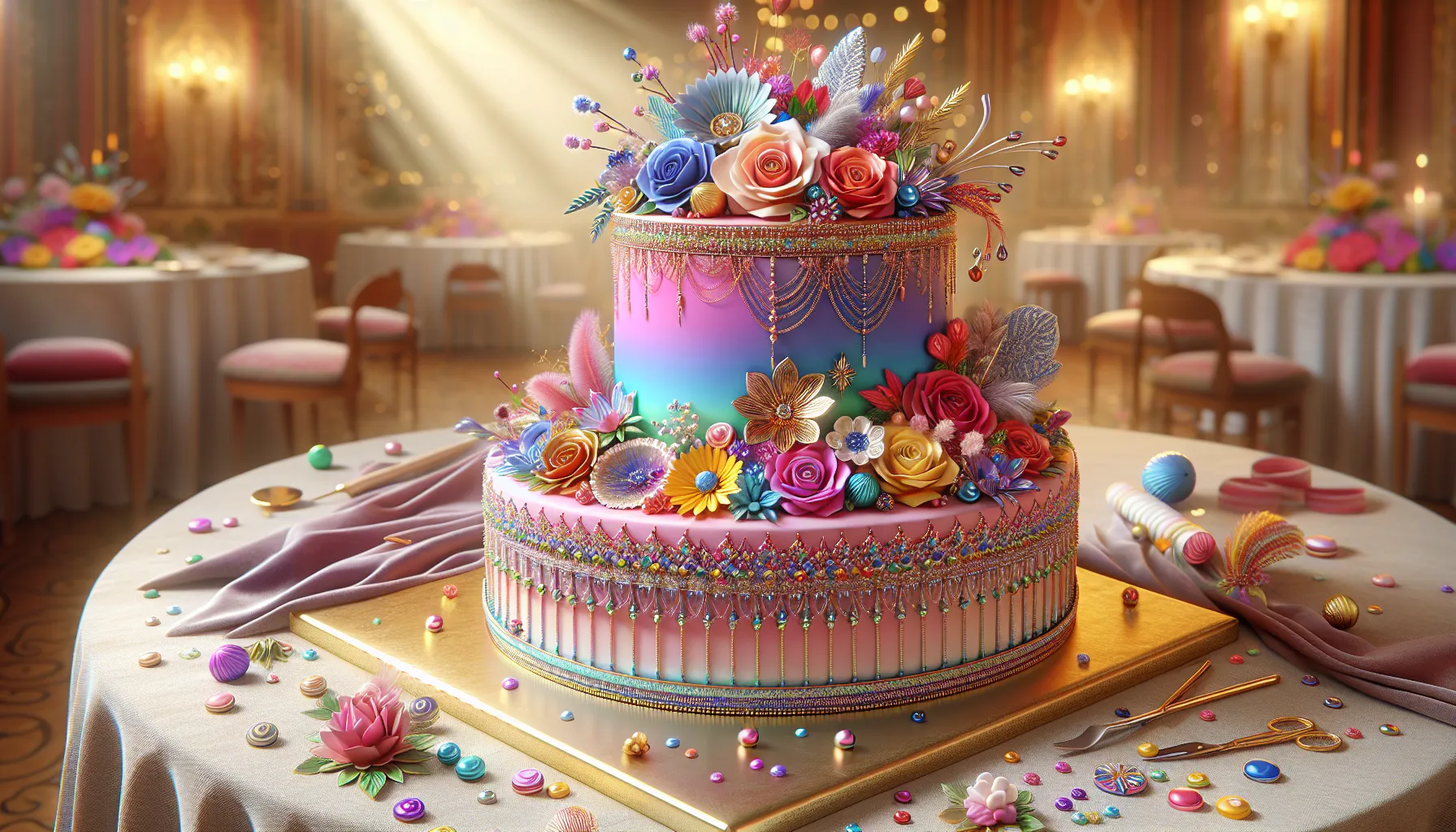
Creating a show cake starts with selecting a design that grabs attention and matches the event’s theme. I ensure the design reflects creativity while staying practical for execution.
Researching Trends And Themes
I research current cake design trends to create something both fashionable and unique. For example, textured buttercream finishes, metallic accents, and watercolor effects are popular this year. Exploring themes related to the event, like romantic florals for weddings or vibrant patterns for birthdays, helps ensure the cake aligns with the occasion. Social media platforms and cake design websites provide visual inspiration and style insights.
Customizing Your Vision
After gathering ideas, I customize the design to make it unique. I incorporate elements like personalized toppers, meaningful color palettes, or hand-painted details that resonate with the recipient or occasion. For a cohesive result, I balance intricate details with the overall aesthetic, ensuring the design feels polished rather than overwhelming.
Assembling The Necessary Tools And Ingredients
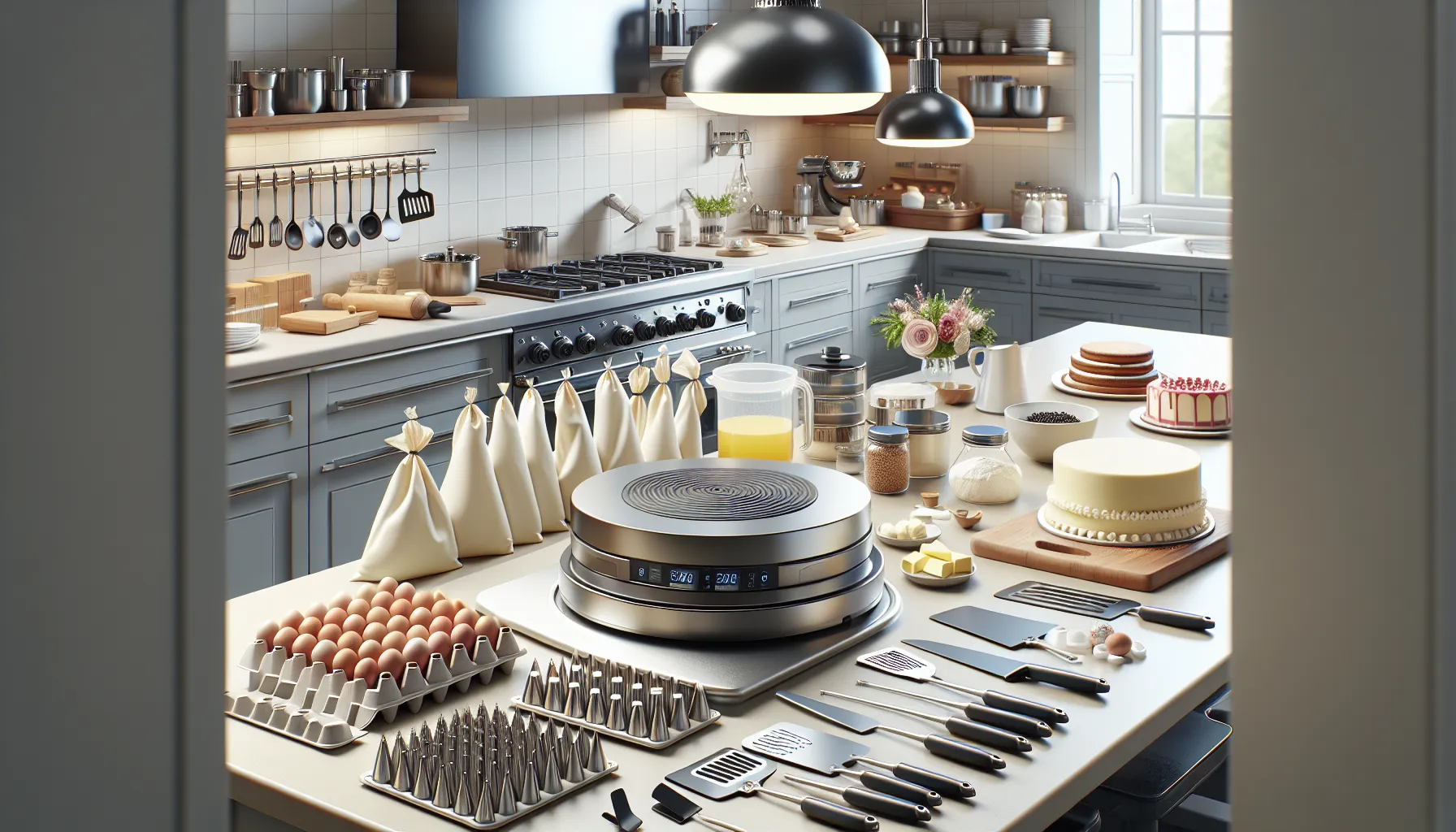
Preparing a show cake demands careful organization of tools and ingredients. Starting with the right equipment and quality components ensures smooth execution and enhances the final presentation.
Essential Baking Tools
Reliable tools are critical for crafting a show-worthy cake. I prioritize a sturdy turntable for smooth icing application and sharp offset spatulas for precise spreading. Piping bags with assorted tips handle intricate detailing, while levelers and serrated knives assist with even cake layers.
I keep mixing bowls, stand mixers, and accurate digital scales ready for consistent results. For multi-tiered cakes, I use dowels or cake supports to maintain stability. Silicone mats, parchment paper, and high-quality baking pans ensure even baking and easy release.
Key Ingredient Selection
High-quality ingredients elevate the taste and texture. I choose premium flour and unsalted butter for a tender crumb. Fresh eggs, pure vanilla extract, and quality cocoa powder add depth to flavors.
For decorations, I ensure the availability of fondant, high-grade food coloring, edible glitter, and gum paste. When working with fruit fillings or garnishes, I opt for fresh, seasonal varieties. Selecting ingredients that match the theme and flavor profiles enhances the cake’s overall aesthetic and appeal.
Mastering The Baking Process
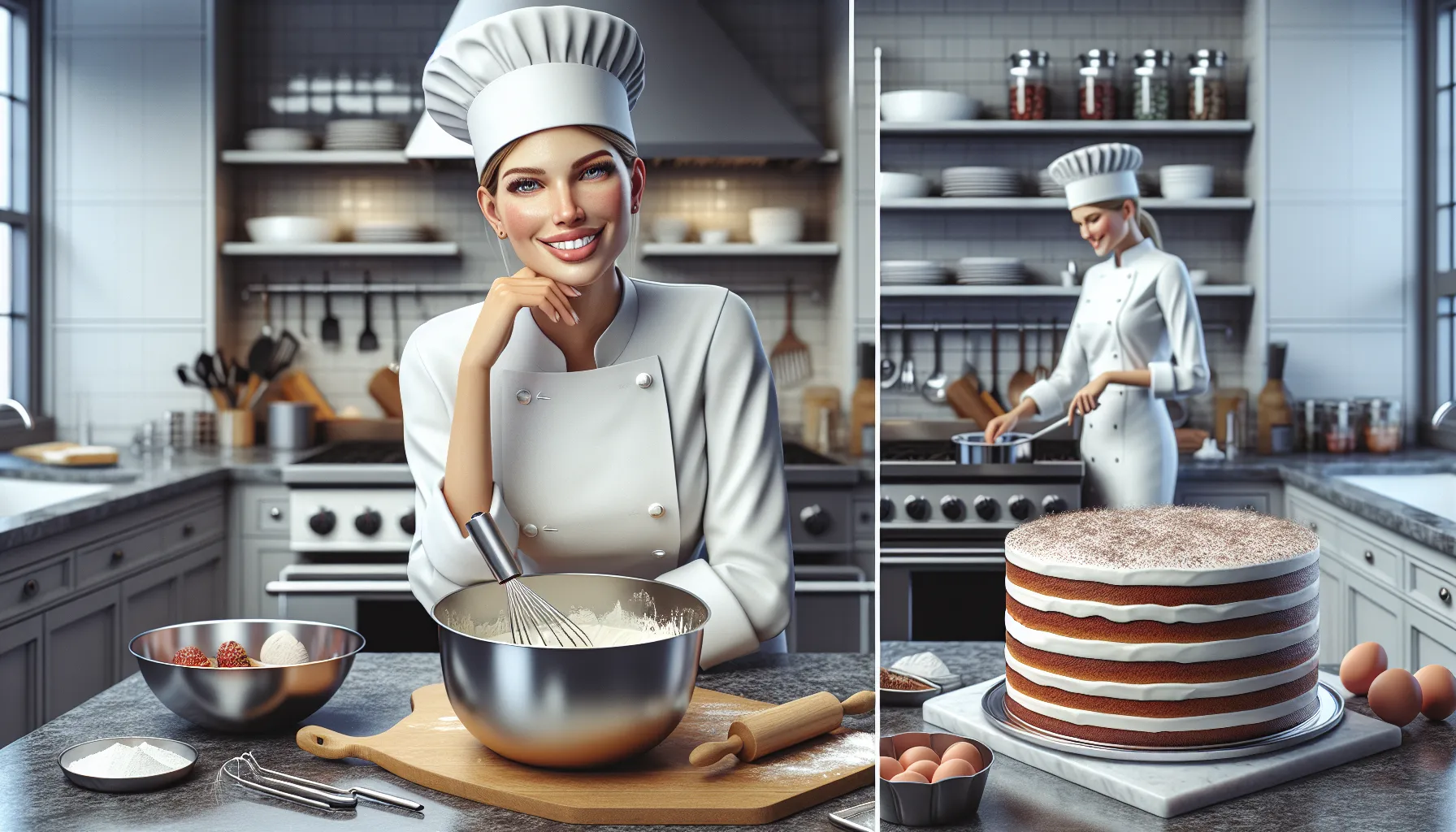
Perfecting the baking process is critical for creating a show-worthy cake. Each step, from measuring ingredients to timing the bake, impacts the final product’s quality and presentation.
Proper Measurement And Mixing Techniques
Precise measurements are essential for achieving consistent results. I use a digital kitchen scale to weigh ingredients like flour, sugar, and butter, ensuring accuracy. For liquids, I rely on clear measuring cups with marked increments. This eliminates discrepancies that can alter the cake’s texture or rise.
Mixing techniques also affect the cake’s structure. I start by creaming butter and sugar until light and fluffy, which incorporates air for a tender crumb. When adding dry ingredients, I do so gradually, folding the batter gently to prevent overmixing. Overworking the batter can cause dense cakes, especially with all-purpose flour or when using mechanical mixers.
Achieving The Perfect Bake
A properly baked cake forms the foundation for successful decorating. I always preheat the oven to the recipe’s specified temperature, using an oven thermometer to confirm accuracy. Variations in heat can result in uneven layers, particularly in large or multi-tiered cakes.
Pan preparation is equally important. I grease pans thoroughly and line them with parchment paper to ensure easy release. Once in the oven, I place the pans on the middle rack for even air circulation. Timing is crucial, so I set a timer and monitor doneness by inserting a toothpick into the center—if it comes out clean, the cake is ready. Overbaking dries out the cake, compromising both flavor and texture.
Careful adherence to these methods guarantees a cake that’s as structurally sound as it is delicious.
Enhancing Your Cake Through Decoration
Decoration transforms a cake into a striking centerpiece. Using the right techniques and details enhances its appeal and showcases creativity.
Piping and Fondant Techniques
Mastering piping and fondant work elevates your cake’s presentation. I prefer piping intricate designs, like floral patterns or lace, using different nozzle tips for varied textures. A steady hand and consistent pressure create precise lines and shapes. For example, I use a star tip for rosettes and a round tip for dots or filigree accents.
When working with fondant, rolling it evenly is crucial to achieve a smooth finish. I start by dusting the surface with cornstarch to prevent sticking. Covering the cake seamlessly and trimming excess ensures clean edges. Fondant cutters and embossing tools help craft patterns, ribbons, or realistic textures like wood grain or quilting, adding depth to the design.
Adding Edible Decorations
Edible decorations enhance the cake’s theme and visual interest. I often use sugar flowers, molded chocolate shapes, or edible pearls to add elegance. Choosing elements that align with the event theme, like gilded leaves for a formal wedding or playful candy designs for a birthday, ensures harmony.
Painting details with edible silver or gold luster dust adds a touch of luxury. For contrast, I incorporate textures like crushed nuts or shredded coconut. Fresh elements, like herbs or edible flowers such as pansies or marigolds, create a balance of vibrancy and sophistication.
Presentation Tips For A Successful Show
Presenting a show cake requires meticulous attention to detail. From ensuring safe transport to creating an eye-catching display, every element plays a role in impressing your audience.
Transporting Your Cake Safely
Stability is crucial when moving a show cake. I use a sturdy, well-fitted cake box and place non-slip mats beneath the cake board to prevent shifting. For multi-tiered cakes, I insert central dowels running through all tiers to reinforce the structure.
Temperature control is essential to avoid melting decorations. I transport cakes in a cool vehicle, especially if buttercream or fondant details are involved. For long trips, I keep an insulated container or use cooling packs carefully placed around, but not directly on, the cake.
Careful handling makes a big difference. I avoid sharp turns or sudden stops and recruit a second person to hold the box steady, allowing me to focus on driving.
Setting Up For Optimal Display
Proper setup enhances the cake’s presentation. I begin by assessing the display table, ensuring it’s sturdy enough to support the cake’s weight. A clean, decorative cake stand adds elegance and elevates the visual appeal.
Lighting creates atmosphere. I choose a spot with adjustable lighting or soft diffused natural light to highlight intricate details. If the venue allows, I use LED uplights to accentuate textures and colors.
The surrounding décor matters too. I match the table linens, flowers, or other embellishments to the cake’s theme, creating a cohesive presentation. Eliminating distractions ensures attendees focus on the centerpiece—the cake itself.
Conclusion
Preparing a show cake is an incredible journey that combines creativity, skill, and passion. Every detail, from the design to the final presentation, plays a role in making your cake unforgettable. It’s not just about baking; it’s about crafting an edible work of art that tells a story and captivates everyone who sees it.
With careful planning, practice, and a touch of artistic flair, you can create a masterpiece that stands out at any event. Trust the process, embrace the challenges, and enjoy the rewarding experience of bringing your vision to life.
Frequently Asked Questions
What is a show cake?
A show cake is a highly decorative cake designed to be the centerpiece of an event. It combines artistic design, intricate decorations, thoughtful color schemes, and structural precision to create a visually stunning dessert that’s both impressive and memorable.
What makes show cakes different from regular cakes?
Show cakes focus not only on taste but also on their appearance and stability. They require advanced decorating techniques, themed designs, and precise structural support, especially for multi-tiered cakes. These elements set them apart from simpler, everyday cakes.
How do I choose the right show cake design?
Choose a design that aligns with your event’s theme and trends while adding personal touches. Research current aesthetics, like textured buttercream finishes or florals, and ensure the design complements the overall event décor.
What tools do I need to make a show cake?
Essential tools include a sturdy turntable, offset spatulas, piping bags with various tips, a digital kitchen scale, and quality cake pans. These help with baking precision and creating intricate decorations for your cake.
What are the key ingredients for a high-quality show cake?
Premium ingredients like all-purpose flour, unsalted butter, fresh eggs, and pure vanilla extract are vital for flavor and texture. Additional seasonal fillings and edible decorations enhance the cake’s theme and appeal.
How can I ensure my cake’s structural stability?
For multi-tiered cakes, use dowels and cake boards between layers for support. A central dowel is essential to stabilize the tiers during assembly and transport. Always ensure the base is strong enough to hold the weight.
What baking techniques are crucial for show cakes?
Precise measurements, proper mixing techniques, and careful monitoring of oven temperature and doneness are critical. Use tools like a digital scale and properly prepare pans to achieve a uniformly baked cake with good structure.
How can I create smooth fondant finishes on a show cake?
Start with a crumb coat to ensure a smooth base. Roll out the fondant evenly and use a fondant smoother to achieve a polished finish. Practice is key to perfecting this technique for professional-looking results.
What decorations work best for show cakes?
Edible decorations such as sugar flowers, molded chocolate shapes, and fresh elements like fruits or herbs work well. Adding luster dust or metallic accents can enhance elegance and align with the event’s theme.
How do I transport a show cake safely?
Use a sturdy cake box and a central dowel for stability, especially for tiered cakes. Keep the cake in a temperature-controlled environment to prevent melting decorations, and avoid sudden movements during transport.
How should I display a show cake at an event?
Place the cake on a decorative stand on a stable, well-lit table that matches the theme décor. Ensure the cake is the focal point by using complementing decorations and sufficient lighting to highlight its details.